

Emotional Numbness: When You Feel Disconnected From Yourself
Emotional Wellness | Solace Grove Behavioral Health
Emotional numbness can feel difficult to explain, especially for individuals who continue managing responsibilities, work, caregiving, and daily life while quietly feeling emotionally disconnected inside. Some individuals describe feeling emotionally “shut down,” detached, empty, or unable to fully experience emotions the way they once did.
At Solace Grove Behavioral Health, we believe emotional numbness deserves compassionate attention, emotional support, and safe spaces for healing without judgment.
Emotional Numbness Can Develop Gradually
Emotional numbness is often connected to prolonged stress, trauma, burnout, emotional overwhelm, anxiety, grief, or constantly operating in survival mode for extended periods of time.
Some individuals experiencing emotional numbness may notice:
difficulty feeling joy or excitement
emotional detachment
feeling disconnected from others
low motivation or energy
emotional exhaustion
feeling emotionally “flat”
difficulty identifying emotions
withdrawal from relationships or activities
feeling mentally drained
Many individuals continue functioning outwardly while privately struggling with emotional disconnection.
Emotional Numbness Can Be a Protective Response
Sometimes emotional numbness develops as the mind and body attempt to cope with overwhelming emotional stress or difficult experiences. When stress becomes prolonged, the nervous system may begin prioritizing emotional protection and survival rather than emotional openness or vulnerability.
These responses are not signs of weakness. Often, they are connected to emotional overload, chronic stress, trauma, or emotional exhaustion that deserves support and care.
If chronic stress and emotional overwhelm have also been affecting your emotional wellness, you may find support in our article on Why Rest Can Feel Difficult After Chronic Stress.
Healing Often Begins With Reconnection
Healing from emotional numbness does not always happen quickly. Often, emotional wellness improves gradually as individuals begin reconnecting with:
emotional safety
supportive relationships
healthier routines
rest and emotional recovery
mindfulness and grounding
therapy and emotional support
environments that feel calming and supportive
Small moments of emotional connection and restoration can become meaningful steps toward healing over time.
Therapy Can Support Emotional Wellness
Behavioral health support can provide emotionally safe space for individuals to better understand emotional numbness, stress responses, trauma patterns, and coping strategies that support long-term well-being.
Therapy may help individuals:
strengthen emotional awareness
process difficult experiences safely
improve emotional regulation
reduce feelings of overwhelm
reconnect with emotional balance
strengthen coping strategies and emotional support systems
You may also benefit from reading Burnout vs. Depression: Understanding the Difference to explore how emotional exhaustion and depression may affect emotional wellness differently.
Compassionate Emotional Wellness Support in Milwaukee
At Solace Grove Behavioral Health, we provide compassionate behavioral health and emotional wellness services focused on healing, stress management, emotional recovery, and long-term well-being.
We serve individuals throughout Milwaukee and across Wisconsin through supportive in-person and telehealth services designed to create emotionally safe spaces for healing and restoration.
You do not have to navigate emotional disconnection or overwhelm alone — support is available.

Rebuilding Trust in Yourself After Emotional Burnout
Emotional Wellness | Solace Grove Behavioral Health
Emotional burnout can affect more than energy levels and stress tolerance. Over time, chronic emotional exhaustion may also affect confidence, decision-making, emotional balance, and the ability to trust your own needs, emotions, and limits.
Many individuals experiencing burnout become so focused on continuing to function, care for others, or manage responsibilities that they gradually lose connection with their own emotional wellness.
At Solace Grove Behavioral Health, we believe healing from burnout involves more than rest alone — it also involves rebuilding emotional trust, self-awareness, and supportive patterns that help individuals feel grounded again.
Emotional Burnout Can Create Disconnection
Burnout often develops after prolonged periods of:
chronic stress
caregiving responsibilities
emotional pressure
constant productivity
emotional suppression
lack of rest and recovery
Over time, individuals may begin feeling:
emotionally disconnected
mentally exhausted
unsure of their own needs
emotionally numb
overwhelmed by small decisions
unable to fully relax
disconnected from joy or motivation
Many individuals continue functioning outwardly while quietly struggling internally.
If emotional exhaustion has been affecting your emotional wellness, you may also find support in our article on Burnout vs. Depression: Understanding the Difference.
Burnout Can Affect Self-Trust
When individuals spend long periods ignoring stress, emotional needs, exhaustion, or personal limits, it may become difficult to trust:
emotional instincts
personal boundaries
decision-making
physical and emotional warning signs
the need for rest and support
Some individuals begin questioning whether they are “doing enough” even when emotionally overwhelmed.
Healing often involves learning how to reconnect with emotional awareness and self-compassion again.
Small Steps Toward Reconnection Matter
Rebuilding trust in yourself does not require dramatic changes overnight. Often, healing begins through small supportive actions practiced consistently over time.
Helpful supportive practices may include:
listening to emotional and physical stress signals
creating healthier boundaries
allowing space for rest and recovery
reducing overstimulation
reconnecting with calming routines
spending time in supportive environments
engaging in therapy or emotional support
Small moments of emotional care can gradually help individuals feel more grounded and emotionally connected again.
Therapy Can Support Emotional Healing
Behavioral health support can provide emotionally safe space for individuals to process burnout, chronic stress, emotional overwhelm, and exhaustion without judgment.
Therapy may help individuals:
strengthen emotional awareness
improve coping strategies
reduce feelings of overwhelm
rebuild emotional balance
create healthier routines and boundaries
reconnect with self-care and emotional wellness
Healing often becomes more manageable when individuals feel emotionally supported and understood.
Compassionate Emotional Wellness Support in Milwaukee
At Solace Grove Behavioral Health, we provide compassionate behavioral health and emotional wellness services focused on healing, stress management, and long-term well-being.
We serve individuals throughout Milwaukee and across Wisconsin through supportive in-person and telehealth services designed to create emotionally safe spaces for healing and restoration.
You deserve support, rest, and space to reconnect with yourself again.

Why Setting Boundaries Can Feel Uncomfortable at First
Emotional Wellness | Solace Grove Behavioral Health
Setting boundaries is often described as an important part of emotional wellness, but for many individuals, creating boundaries may initially feel uncomfortable, unfamiliar, or even emotionally difficult.
Some individuals experience guilt, anxiety, fear of disappointing others, or emotional pressure when they begin prioritizing their own needs, limits, and emotional well-being.
At Solace Grove Behavioral Health, we believe healthy boundaries are not selfish — they are an important part of emotional balance, stress management, and long-term wellness.
Many People Are Not Taught Healthy Boundaries
Some individuals grow up feeling responsible for:
managing other people’s emotions
constantly helping others
avoiding conflict
putting everyone else first
remaining emotionally available at all times
Over time, prioritizing others while ignoring personal limits may contribute to:
emotional exhaustion
burnout
anxiety
resentment
emotional overwhelm
difficulty resting or saying no
Because these patterns may feel familiar, creating healthier boundaries can initially feel emotionally uncomfortable.
Boundaries Can Trigger Guilt or Anxiety
When individuals begin setting boundaries, they may worry about:
disappointing others
being viewed as selfish
creating conflict
losing relationships or approval
letting people down
These feelings are often connected to long-standing emotional patterns rather than evidence that boundaries are harmful.
Healthy boundaries are not about shutting people out. They are about protecting emotional wellness, balance, and healthy relationships.
If creating healthier emotional limits has been challenging, you may also find support in our article on The Importance of Setting Healthy Boundaries.
Healthy Boundaries Support Emotional Wellness
Boundaries can help individuals:
reduce emotional overwhelm
improve stress management
strengthen emotional balance
create healthier relationships
improve communication
support emotional recovery and rest
prevent chronic emotional exhaustion
Boundaries are not punishment. They are supportive tools that help individuals care for their emotional well-being while maintaining healthier connection with others.
Small Steps Toward Healthier Boundaries Matter
Learning to create healthier boundaries often happens gradually over time.
Helpful supportive practices may include:
recognizing emotional exhaustion early
allowing yourself to say no when needed
creating time for rest and recovery
communicating limits more clearly
reducing people-pleasing behaviors
spending time in supportive environments
engaging in therapy or emotional support
Small acts of emotional self-care can become important steps toward long-term wellness and balance.
Therapy Can Help Individuals Build Healthier Patterns
Behavioral health support can help individuals better understand emotional patterns, relationship dynamics, stress responses, and coping strategies connected to boundaries and emotional wellness.
Therapy may help individuals:
improve emotional awareness
strengthen communication skills
reduce feelings of guilt or overwhelm
create healthier coping strategies
strengthen self-care and emotional balance
rebuild emotional confidence and self-trust
Healing often begins when individuals recognize their emotional wellness deserves support too.
Compassionate Emotional Wellness Support in Milwaukee
At Solace Grove Behavioral Health, we provide compassionate behavioral health and emotional wellness services focused on healing, stress management, and long-term well-being.
We serve individuals throughout Milwaukee and across Wisconsin through supportive in-person and telehealth services designed to create emotionally safe spaces for healing and restoration.
Healthy boundaries can support emotional wellness, balance, and healthier relationships over time.

When Stress Turns Into Emotional Isolation
Emotional Wellness | Solace Grove Behavioral Health
Stress does not always look obvious from the outside. Many individuals continue working, caregiving, maintaining relationships, and handling responsibilities while quietly feeling emotionally disconnected from others around them.
Over time, chronic stress, emotional exhaustion, burnout, anxiety, or prolonged overwhelm may gradually lead individuals to emotionally withdraw, avoid connection, or feel isolated even when surrounded by people.
At Solace Grove Behavioral Health, we believe emotional wellness deserves compassionate support, meaningful connection, and emotionally safe spaces where individuals do not feel like they have to carry everything alone.
Emotional Isolation Can Develop Gradually
Emotional isolation does not always happen intentionally. Often, it develops slowly as stress and emotional exhaustion build over time.
Some individuals may begin:
avoiding conversations
withdrawing from relationships
feeling emotionally disconnected
struggling to express emotions
feeling mentally exhausted after social interaction
feeling misunderstood or unsupported
preferring isolation because connection feels emotionally draining
Many individuals experiencing emotional isolation continue appearing “fine” outwardly while privately struggling emotionally.
Chronic Stress Can Affect Connection
When emotional stress becomes overwhelming, the nervous system may shift into survival-focused coping patterns. During these periods, individuals may focus so heavily on managing responsibilities or emotional pressure that meaningful connection begins to feel difficult to maintain.
Over time, emotional isolation may affect:
relationships
communication
emotional regulation
self-care
emotional wellness
overall mental health
If emotional exhaustion and stress have also been affecting your well-being, you may find support in our article on Why Emotional Exhaustion Is Becoming More Common.
Emotional Wellness Requires Support and Connection
Human connection and emotional support can play an important role in healing, stress management, and emotional balance.
Supportive relationships may help individuals:
feel emotionally safe
reduce feelings of isolation
strengthen emotional resilience
improve communication
create healthier coping patterns
reconnect with hope and emotional balance
Healing often becomes more manageable when individuals no longer feel emotionally alone.
Small Steps Toward Reconnection Matter
Reconnecting emotionally does not always require dramatic changes. Often, small supportive steps practiced consistently over time can help individuals feel more grounded and connected again.
Helpful supportive practices may include:
reaching out to trusted people
spending time in supportive environments
creating healthier boundaries
prioritizing emotional rest and recovery
practicing mindfulness or grounding exercises
engaging in therapy or emotional support
Even small moments of meaningful connection can positively affect emotional wellness over time.
Therapy Can Support Emotional Healing
Behavioral health support can provide emotionally safe space for individuals to process stress, emotional isolation, burnout, and overwhelming life experiences without judgment.
Therapy may help individuals:
improve emotional awareness
strengthen coping strategies
reduce feelings of overwhelm
improve communication and relationships
reconnect with emotional balance and support
You do not have to navigate emotional isolation alone.
Compassionate Emotional Wellness Support in Milwaukee
At Solace Grove Behavioral Health, we provide compassionate behavioral health and emotional wellness services focused on healing, stress management, and long-term well-being.
We serve individuals throughout Milwaukee and across Wisconsin through supportive in-person and telehealth services designed to create emotionally safe spaces for healing and restoration.
Support, connection, and emotional wellness matter — and healing does not have to happen alone.

Burnout vs. Depression: Understanding the Difference
Mental Wellness | Solace Grove Behavioral Health
Burnout and depression can sometimes feel very similar. Both may affect energy levels, emotional wellness, motivation, concentration, and overall well-being in ways that make everyday life feel emotionally heavy or overwhelming. Because many symptoms overlap, individuals may struggle to recognize what they are experiencing or when additional support may be helpful.
At Solace Grove Behavioral Health, we believe emotional wellness deserves compassionate attention, supportive care, and emotionally safe spaces where individuals feel heard without judgment.
Burnout and Depression Can Share Similar Symptoms
Both burnout and depression may contribute to:
emotional exhaustion
low energy
difficulty concentrating
irritability or frustration
changes in sleep patterns
feeling emotionally overwhelmed
withdrawal from others
reduced motivation
mental fatigue
However, while the experiences may overlap, burnout and depression are not always the same.
What Is Burnout?
Burnout often develops after prolonged stress, emotional pressure, caregiving responsibilities, work demands, or constantly feeling overwhelmed without enough time for recovery.
Individuals experiencing burnout may feel:
mentally drained
emotionally exhausted
disconnected from work or responsibilities
overwhelmed by daily tasks
unable to fully rest or recharge
Burnout is commonly connected to chronic stress and emotional overload.
If emotional exhaustion has been building over time, you may also find support in our article on Why Emotional Exhaustion Is Becoming More Common.
What Is Depression?
Depression may affect emotional wellness more broadly and can sometimes continue even when stressors temporarily improve. Depression may involve:
persistent sadness or emotional numbness
hopelessness
difficulty experiencing joy
loss of motivation
feelings of worthlessness
isolation or withdrawal
emotional heaviness that feels difficult to explain
Depression can affect emotional, mental, and physical wellness in significant ways and deserves compassionate support and care.
You may also benefit from reading Depression Support in Milwaukee: Understanding the Signs and Seeking Help.
Emotional Wellness Deserves Support
Whether individuals are experiencing burnout, depression, chronic stress, or emotional overwhelm, supportive care can help create space for healing and healthier coping strategies.
Behavioral health support may help individuals:
improve emotional awareness
strengthen coping tools
reduce feelings of overwhelm
process emotional stress safely
create healthier boundaries and routines
reconnect with emotional balance and wellness
Healing often begins when individuals no longer feel like they have to carry emotional exhaustion alone.
Seeking Support Is a Meaningful Step
Many individuals minimize emotional stress because they feel pressure to continue functioning despite exhaustion or emotional heaviness. However, emotional wellness deserves care, compassion, and attention.
Therapy and emotional support can help individuals better understand what they are experiencing while creating supportive space for healing and restoration.
Compassionate Mental Wellness Support in Milwaukee
At Solace Grove Behavioral Health, we provide compassionate behavioral health and emotional wellness services focused on healing, stress management, and long-term well-being.
We serve individuals throughout Milwaukee and across Wisconsin through supportive in-person and telehealth services designed to create emotionally safe spaces for healing and restoration.
Support is available — and emotional wellness matters.

Compassion Fatigue in Caregivers and Helping Professionals
Community Wellness | Solace Grove Behavioral Health
Caregivers and helping professionals often spend so much time supporting others emotionally that they may begin neglecting their own emotional wellness without realizing it. Over time, constantly caring for others while carrying emotional stress, responsibility, and pressure can contribute to compassion fatigue.
At Solace Grove Behavioral Health, we believe the individuals who care for others also deserve support, emotional restoration, and safe spaces for healing.
What Is Compassion Fatigue?
Compassion fatigue can develop when individuals are exposed to ongoing emotional stress while continuously supporting others through difficult situations, caregiving responsibilities, emotional challenges, or high-pressure environments.
Compassion fatigue may affect:
healthcare workers
therapists and helping professionals
caregivers
parents
teachers
community support workers
individuals supporting loved ones through emotional or health challenges
Over time, emotional exhaustion can gradually build beneath the surface.
Signs of Compassion Fatigue
Many individuals experiencing compassion fatigue continue functioning outwardly while quietly struggling emotionally.
Signs may include:
emotional exhaustion
irritability or frustration
feeling emotionally numb
chronic stress or overwhelm
difficulty resting
feeling detached or disconnected
reduced motivation
increased anxiety
difficulty maintaining emotional balance
feeling mentally drained after supporting others
These experiences do not mean someone is failing. Often, they are signs that emotional wellness and recovery need attention and support.
If emotional exhaustion has also been affecting your well-being, you may find support in our article on Why Emotional Exhaustion Is Becoming More Common.
Emotional Wellness Matters for Caregivers Too
Many helping professionals and caregivers feel pressure to remain emotionally strong at all times. However, constantly carrying emotional responsibility without enough restoration may affect:
mental wellness
relationships
stress tolerance
emotional regulation
physical wellness
ability to maintain balance
Supporting others becomes more sustainable when individuals also prioritize their own emotional care and recovery.
Small Steps Toward Emotional Restoration
Compassion fatigue does not always require dramatic changes all at once. Small supportive practices may help individuals reconnect with emotional balance over time.
Helpful practices may include:
prioritizing rest and recovery
creating healthier emotional boundaries
reducing overstimulation
spending time in calming environments
connecting with supportive people
engaging in mindfulness or grounding practices
seeking therapy or emotional support
Rest and emotional restoration are important parts of long-term wellness.
Therapy and Emotional Support Can Help
Behavioral health support can provide emotionally safe space for individuals to:
process emotional stress safely
strengthen coping strategies
reduce feelings of overwhelm
improve emotional awareness
create healthier balance and boundaries
reconnect with emotional wellness and self-care
Healing often begins when individuals recognize they also deserve support and emotional care.
Compassionate Mental Wellness Support in Milwaukee
At Solace Grove Behavioral Health, we provide compassionate behavioral health and emotional wellness services focused on healing, stress management, and long-term well-being.
We serve caregivers, professionals, and individuals throughout Milwaukee and across Wisconsin through supportive in-person and telehealth services designed to create emotionally safe spaces for healing and restoration.
You deserve support too — not only for the care you give others, but for your own emotional wellness and well-being.

Men’s Mental Health and Emotional Wellness
Community Wellness | Solace Grove Behavioral Health
Many men experience emotional stress, anxiety, burnout, grief, or emotional exhaustion while feeling pressure to remain strong, independent, and emotionally composed at all times. Because of social expectations and stigma surrounding emotional vulnerability, many men quietly carry emotional struggles without seeking support or openly discussing what they are experiencing.
At Solace Grove Behavioral Health, we believe emotional wellness deserves compassionate support, safe conversations, and environments where individuals feel respected and heard without judgment.
Many Men Are Taught to Suppress Emotional Struggles
From a young age, many men receive messages that emotional vulnerability should be hidden or minimized. Over time, this can make it difficult to openly process emotions, ask for support, or recognize when emotional stress is becoming overwhelming.
Some men may experience:
chronic stress or anxiety
emotional exhaustion
irritability or frustration
difficulty expressing emotions
withdrawal from others
sleep difficulties
burnout from responsibilities
emotional numbness
feeling pressure to “hold everything together”
Many individuals continue functioning outwardly while privately struggling emotionally.
Emotional Wellness Affects Overall Well-Being
Mental wellness affects relationships, physical health, stress levels, communication, focus, and overall quality of life. When emotional stress remains unaddressed for long periods of time, it can gradually affect:
emotional regulation
work performance
relationships and connection
physical wellness
motivation and energy
ability to rest and recover
Seeking support is not weakness. Emotional wellness deserves care and attention just like physical health.
If emotional exhaustion has become overwhelming, you may also find support in our article on Burnout vs. Depression: Understanding the Difference.
Therapy and Emotional Support Can Help
Therapy can provide supportive space for individuals to:
process emotional stress safely
strengthen coping strategies
improve emotional awareness
reduce feelings of overwhelm
improve communication and relationships
create healthier balance and boundaries
Supportive conversations surrounding emotional wellness can help reduce isolation and encourage healthier coping patterns over time.
Breaking Stigma Around Men’s Mental Health
Open conversations about emotional wellness help normalize mental health support and encourage individuals to seek help earlier instead of carrying emotional struggles alone.
Supportive environments may help individuals:
feel emotionally safe
strengthen emotional resilience
improve connection and communication
reduce stigma surrounding therapy and emotional wellness
create healthier long-term coping strategies
Healing and emotional wellness are important for everyone.
Compassionate Mental Wellness Support in Milwaukee
At Solace Grove Behavioral Health, we provide compassionate behavioral health and emotional wellness services focused on healing, stress management, and long-term well-being.
We serve individuals throughout Milwaukee and across Wisconsin through supportive in-person and telehealth services designed to create emotionally safe spaces for healing and restoration.
You do not have to navigate emotional stress, anxiety, or burnout alone — support is available.

Fatherhood, Stress, and Emotional Wellness
Community Wellness | Solace Grove Behavioral Health
Fatherhood can bring love, purpose, responsibility, and meaningful connection — but it can also bring emotional pressure, stress, exhaustion, and overwhelming expectations that many fathers quietly carry alone.
Many fathers feel pressure to remain emotionally strong, financially stable, dependable, and constantly available for others while placing their own emotional wellness last.
At Solace Grove Behavioral Health, we believe fathers deserve emotional support, compassionate care, and safe spaces where mental wellness can be openly acknowledged without judgment.
Many Fathers Carry Stress Quietly
Fatherhood often involves balancing multiple responsibilities at once, including:
work and financial pressure
parenting responsibilities
relationship stress
caregiving demands
emotional support for family members
maintaining stability for others
Over time, chronic stress and emotional pressure may begin affecting:
emotional wellness
stress tolerance
sleep and energy levels
communication
emotional regulation
relationships and connection
overall mental wellness
Many fathers continue functioning outwardly while privately carrying emotional exhaustion or overwhelm.
Emotional Wellness Matters for Fathers Too
Mental wellness is important not only for individuals, but also for families and relationships. When emotional stress remains unaddressed for long periods of time, individuals may begin feeling:
emotionally disconnected
irritable or frustrated
mentally exhausted
emotionally numb
overwhelmed by responsibilities
unable to fully rest or recharge
Seeking support is not weakness. Emotional wellness deserves care and attention just as much as physical health.
If emotional exhaustion has become overwhelming, you may also find support in our article on Mental Wellness Support for Professionals and Caregivers.
Fathers Deserve Safe Conversations About Mental Health
Many men grow up feeling discouraged from openly discussing emotions or asking for help. This can sometimes make emotional stress feel isolating or difficult to navigate alone.
Supportive conversations surrounding mental wellness can help:
reduce stigma
improve emotional awareness
strengthen communication
encourage healthier coping strategies
create stronger emotional support systems
Healing and emotional wellness are important for everyone, including fathers and caregivers.
Therapy and Emotional Support Can Help
Behavioral health support can provide emotionally safe space for fathers to:
process stress and emotional pressure
strengthen coping strategies
improve emotional balance
reduce feelings of overwhelm
strengthen communication and relationships
reconnect with emotional wellness and self-care
Supportive care can help individuals feel less alone while navigating the emotional demands of fatherhood and daily life.
Compassionate Mental Wellness Support in Milwaukee
At Solace Grove Behavioral Health, we provide compassionate behavioral health and emotional wellness services focused on healing, stress management, and long-term well-being.
We serve fathers, families, and individuals throughout Milwaukee and across Wisconsin through supportive in-person and telehealth services designed to create emotionally safe spaces for healing and restoration.
Fathers deserve support too — and emotional wellness matters at every stage of life.

Mental Wellness Support for Professionals and Caregivers
Community Wellness | Solace Grove Behavioral Health
Professionals and caregivers often spend so much time supporting others that their own emotional wellness quietly becomes secondary. Whether balancing demanding careers, caregiving responsibilities, leadership roles, parenting, or constantly being relied upon by others, emotional exhaustion can gradually build over time without enough space for rest and recovery.
At Solace Grove Behavioral Health, we believe the individuals who care for others also deserve emotional support, balance, and compassionate spaces for healing.
Constant Responsibility Can Affect Emotional Wellness
Many professionals and caregivers carry ongoing emotional pressure daily. Over time, constantly managing responsibilities without enough emotional recovery may contribute to:
emotional exhaustion
chronic stress
anxiety or overwhelm
difficulty resting
irritability or frustration
mental fatigue
feelings of burnout
emotional numbness
difficulty maintaining balance
Many individuals continue functioning outwardly while quietly struggling internally.
If emotional exhaustion has become overwhelming, you may also find support in our article on Why Emotional Exhaustion Is Becoming More Common.
Caregivers and Professionals Often Prioritize Others First
Many individuals in helping roles naturally focus on supporting family members, clients, patients, coworkers, or loved ones before addressing their own emotional needs.
Over time, consistently neglecting personal wellness may affect:
emotional regulation
physical wellness
relationships
sleep and energy levels
motivation
stress tolerance
overall mental wellness
Emotional wellness deserves care and attention just as much as professional responsibilities or caregiving duties.
Emotional Support Can Help Restore Balance
Behavioral health support can provide individuals with space to:
process emotional stress safely
strengthen coping strategies
improve emotional awareness
reduce feelings of overwhelm
create healthier boundaries
reconnect with emotional balance and self-care
Therapy can help individuals feel supported while navigating the emotional demands of constantly caring for others.
If creating healthier boundaries has been difficult, you may also benefit from reading The Importance of Setting Healthy Boundaries.
Small Acts of Emotional Care Matter
Supporting emotional wellness does not always require major changes all at once. Small supportive practices may include:
prioritizing rest and recovery
creating healthier work-life balance
spending time in calming environments
limiting overstimulation
connecting with supportive people
engaging in mindfulness or grounding practices
seeking therapy or emotional support
Small moments of restoration can have a meaningful impact over time.
Compassionate Mental Wellness Support in Milwaukee
At Solace Grove Behavioral Health, we provide compassionate behavioral health and emotional wellness services focused on healing, stress management, and long-term well-being.
We serve professionals, caregivers, and individuals throughout Milwaukee and across Wisconsin through supportive in-person and telehealth services designed to create emotionally safe spaces for healing and restoration.
You deserve support too — not only for what you do for others, but for your own emotional wellness and well-being.
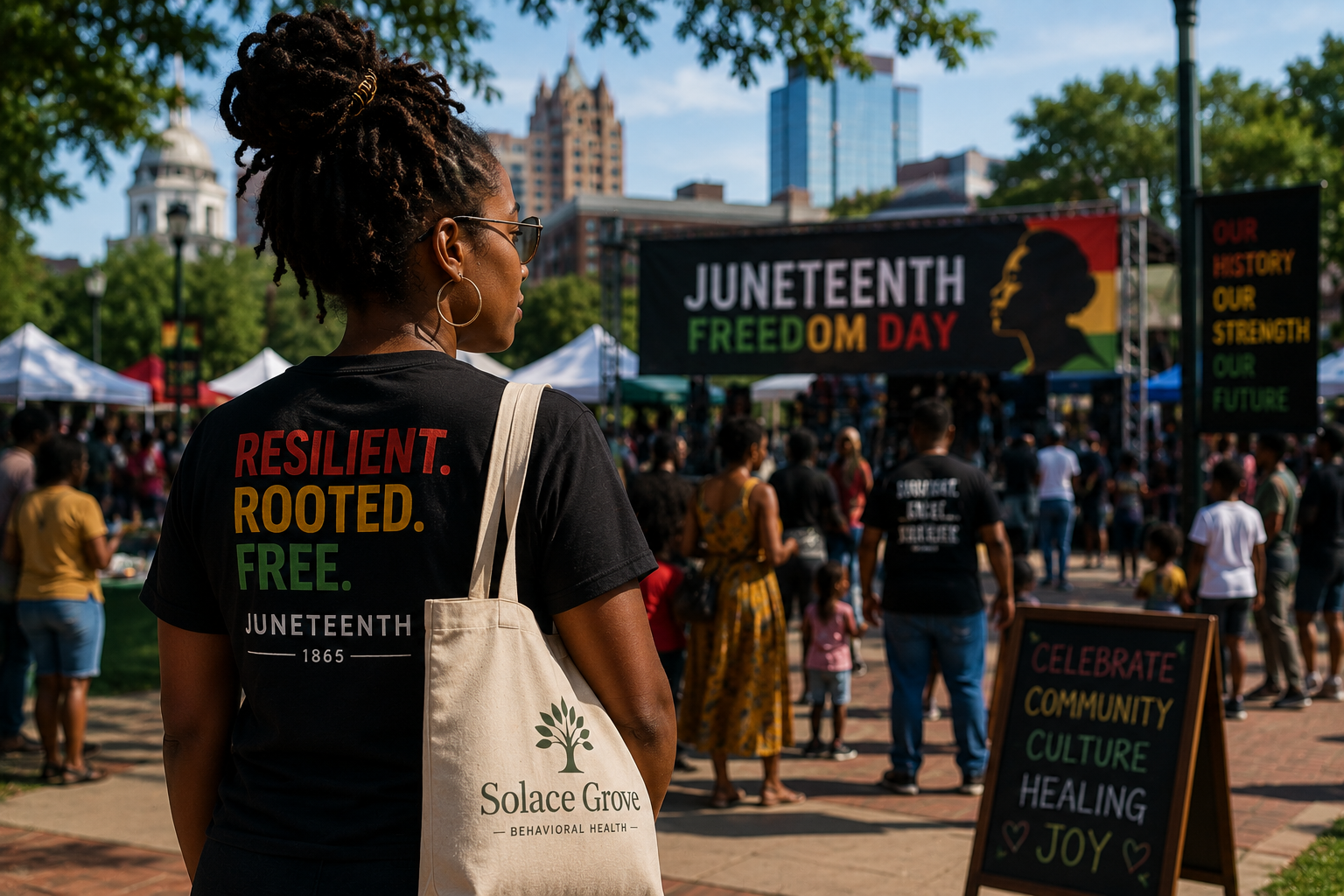
Honoring Juneteenth: Healing, Community, and Emotional Wellness
Community Wellness | Solace Grove Behavioral Health
Juneteenth is a time to honor freedom, resilience, culture, community, and the continued pursuit of healing and equality. While Juneteenth commemorates an important moment in American history, it also creates space for reflection on emotional wellness, collective healing, generational strength, and the importance of supportive communities.
At Solace Grove Behavioral Health, we recognize that emotional wellness and healing are deeply connected to community, identity, safety, and access to compassionate support.
Juneteenth Represents More Than History
Juneteenth is often celebrated through:
community gatherings
cultural events
family connection
education and reflection
honoring resilience and progress
For many individuals and families, it is also a meaningful opportunity to acknowledge the emotional impact of generational trauma, social stressors, inequality, and the importance of creating healthier futures rooted in healing and support.
Emotional Wellness and Community Healing
Community connection can play an important role in emotional wellness and healing. Feeling seen, supported, respected, and connected to safe spaces can positively affect mental health and emotional well-being over time.
Supportive communities may help individuals:
feel less isolated
strengthen emotional resilience
encourage healing conversations
reduce stigma surrounding mental health
create opportunities for support and connection
promote emotional safety and wellness
Healing often becomes more possible when individuals feel supported by community and compassionate care.
You may also benefit from reading Mental Health Conversations Among Black Men: Why They Matter to explore the importance of open conversations surrounding emotional wellness and mental health support.
Rest, Reflection, and Emotional Care Matter
Juneteenth can also serve as a reminder that emotional wellness deserves ongoing care and attention. Rest, emotional support, connection, and healing are important parts of long-term well-being.
Helpful supportive practices may include:
spending time with supportive people
participating in meaningful community spaces
prioritizing emotional rest
engaging in reflection and mindfulness
creating healthier boundaries
seeking therapy or emotional support when needed
Healing is not only individual — it can also happen collectively through community, compassion, and safe spaces.
Breaking Stigma and Expanding Access to Support
Open conversations surrounding mental health and emotional wellness continue helping reduce stigma while encouraging individuals to seek support earlier and more comfortably.
Behavioral health support can help individuals:
strengthen coping strategies
process emotional stress safely
improve emotional awareness
reduce feelings of overwhelm
reconnect with balance and emotional wellness
Everyone deserves access to compassionate support and emotionally safe environments for healing.
Compassionate Behavioral Health Support in Milwaukee
At Solace Grove Behavioral Health, we provide compassionate behavioral health and emotional wellness services focused on healing, dignity, community support, and long-term well-being.
We serve individuals throughout Milwaukee and across Wisconsin through supportive in-person and telehealth services designed to create emotionally safe spaces for healing and restoration.
This Juneteenth, we honor resilience, community, healing, and the importance of emotional wellness for all.

Creating Healthier Routines for Emotional Wellness
Self-Care | Solace Grove Behavioral Health
Daily routines can have a powerful impact on emotional wellness, stress management, and overall mental health. While life can often feel busy or overwhelming, small supportive habits practiced consistently over time may help individuals feel more balanced, grounded, and emotionally supported.
At Solace Grove Behavioral Health, we believe emotional wellness is not about perfection — it is about creating intentional routines that support healing, balance, and long-term well-being.
Healthy Routines Can Support Emotional Balance
When stress becomes constant or life feels emotionally overwhelming, routines may begin to feel inconsistent or difficult to maintain. However, supportive routines can help create structure, emotional stability, and moments of restoration throughout the day.
Healthy routines may help individuals:
reduce feelings of overwhelm
improve emotional regulation
strengthen stress management
support healthier sleep habits
improve focus and energy
create healthier balance
reconnect with self-care and emotional awareness
Small consistent habits can have a meaningful impact over time.
Emotional Wellness Starts With Small Steps
Creating healthier routines does not require changing everything at once. Often, emotional wellness improves through small supportive actions practiced consistently.
Helpful routine ideas may include:
maintaining regular sleep schedules
limiting overstimulation and screen time
creating moments for rest throughout the day
spending time outdoors
practicing mindfulness or grounding exercises
staying connected to supportive people
creating healthier boundaries
prioritizing nourishment and hydration
engaging in therapy or emotional support
Even small moments of calm and consistency can help support emotional wellness.
If emotional exhaustion and chronic stress have been affecting your daily life, you may also find support in our article on Why Emotional Exhaustion Is Becoming More Common.
Rest and Recovery Matter
Many individuals feel pressure to remain constantly productive, even when emotionally exhausted. Over time, constantly pushing through stress without enough recovery can affect both emotional and physical well-being.
Healthy routines should include opportunities for:
rest
emotional recovery
reflection
stress reduction
emotional processing
supportive connection
Balance is an important part of long-term emotional wellness.
Therapy Can Help Support Healthier Patterns
Behavioral health support can help individuals better understand stress patterns, emotional triggers, coping strategies, and routines that support overall well-being.
Therapy may help individuals:
improve emotional awareness
reduce feelings of overwhelm
strengthen coping tools
create healthier boundaries
rebuild routines after burnout or stress
reconnect with emotional balance
Healing often begins with creating space for emotional care and support.
Compassionate Emotional Wellness Support in Milwaukee
At Solace Grove Behavioral Health, we provide compassionate behavioral health and emotional wellness services focused on healing, stress management, and long-term well-being.
We serve individuals throughout Milwaukee and across Wisconsin through supportive in-person and telehealth services designed to create emotionally safe spaces for healing and growth.
Small supportive routines can become meaningful steps toward emotional wellness and balance over time.

How Anxiety Can Affect Sleep and Daily Life
Anxiety & Stress | Solace Grove Behavioral Health
Anxiety can affect more than emotions alone. Ongoing worry, stress, emotional overwhelm, and racing thoughts may also begin affecting sleep, concentration, routines, relationships, and overall quality of life in ways that gradually become difficult to manage.
Many individuals experiencing anxiety continue functioning outwardly while privately struggling with mental exhaustion, difficulty relaxing, or feeling constantly “on edge.”
At Solace Grove Behavioral Health, we believe emotional wellness deserves compassionate support, emotionally safe spaces, and healthy coping tools that help individuals feel more balanced over time.
Anxiety and Sleep Are Closely Connected
Stress and anxiety can make it difficult for the nervous system to fully relax and recover. Some individuals may struggle with:
difficulty falling asleep
racing thoughts at night
waking frequently during sleep
feeling mentally exhausted but unable to rest
restless sleep
waking up feeling emotionally drained
Over time, lack of restorative sleep may also increase feelings of stress, irritability, emotional overwhelm, and difficulty concentrating throughout the day.
If chronic stress and emotional exhaustion have also been affecting your well-being, you may find support in our article on How Chronic Stress Can Affect Emotional and Physical Wellness.
Anxiety Can Affect Everyday Life in Subtle Ways
Anxiety does not always appear as panic or visible distress. For many individuals, it may quietly affect:
focus and concentration
emotional regulation
work performance
relationships
decision-making
physical tension
motivation and energy
ability to relax
Some individuals may become so accustomed to operating under stress that anxiety begins to feel “normal,” even when emotional wellness is being affected significantly.
Emotional Wellness Requires Rest and Recovery
Mental wellness involves more than simply continuing to push through stress. Emotional well-being also requires opportunities for rest, restoration, and emotional support.
Helpful supportive practices may include:
creating healthier sleep routines
limiting overstimulation before bed
practicing grounding or mindfulness exercises
reducing constant stress exposure
creating healthier boundaries
spending time in calming environments
engaging in therapy or emotional support
Small moments of calm and emotional restoration can help support healthier nervous system balance over time.
Therapy Can Help Individuals Manage Anxiety
Therapy can provide supportive space for individuals to better understand anxiety patterns, emotional triggers, and stress responses while developing healthier coping strategies.
Behavioral health support may help individuals:
strengthen emotional awareness
reduce feelings of overwhelm
improve stress management
create healthier routines
improve emotional balance
strengthen coping tools for anxiety and stress
You may also benefit from reading Therapy for Anxiety in Milwaukee: Support for Stress, Worry, and Emotional Overwhelm to learn more about how supportive care can help individuals navigate anxiety and emotional wellness challenges.
Compassionate Anxiety Support in Milwaukee
At Solace Grove Behavioral Health, we provide compassionate behavioral health and emotional wellness services designed to support healing, anxiety management, stress reduction, and long-term well-being.
We serve individuals throughout Milwaukee and across Wisconsin through supportive in-person and telehealth services focused on emotional safety, dignity, and holistic care.
You do not have to navigate anxiety, sleep difficulties, or emotional overwhelm alone — support is available.

Learning How to Feel Safe Again After Chronic Stress
Trauma & Healing | Solace Grove Behavioral Health
Chronic stress can affect more than daily mood or energy levels. Over time, prolonged emotional pressure, trauma, anxiety, burnout, or constantly feeling “on edge” may begin affecting how safe, calm, and emotionally regulated individuals feel in everyday life.
Many people become so used to functioning in survival mode that rest, stillness, or emotional vulnerability may begin to feel unfamiliar or even uncomfortable.
At Solace Grove Behavioral Health, we believe healing involves more than simply reducing stress — it also involves helping individuals reconnect with emotional safety, balance, and supportive spaces where the nervous system can begin to recover.
Chronic Stress Can Keep the Nervous System in Survival Mode
When stress remains constant for long periods of time, the nervous system may stay in a heightened state of alertness. Some individuals may begin feeling:
emotionally reactive
constantly overwhelmed
unable to relax fully
mentally exhausted
emotionally disconnected
hypervigilant or always “on guard”
anxious even during calm moments
physically tense or restless
These responses are not signs of weakness. Often, they are protective patterns developed while navigating prolonged stress or difficult experiences.
If overstimulation and chronic stress have also been affecting emotional wellness, you may find support in our article on How Overstimulation Affects Your Nervous System and Mental Health.
Emotional Safety Matters in Healing
Healing often happens more gradually when individuals feel emotionally safe, supported, and respected throughout the process.
Supportive environments may help individuals:
feel less emotionally overwhelmed
reconnect with rest and calm
improve emotional regulation
strengthen trust and connection
reduce feelings of isolation
process emotions more safely
Healing is not about forcing yourself to “move on” quickly. It is about creating space for restoration, emotional balance, and healthier coping patterns over time.
Small Steps Toward Feeling Grounded Again
Learning to feel emotionally safe again may begin with small, supportive practices practiced consistently over time.
Helpful supportive habits may include:
spending time in calming environments
reducing overstimulation
creating healthier routines and boundaries
practicing mindfulness or grounding exercises
connecting with supportive people
prioritizing rest and emotional recovery
engaging in therapy or behavioral health support
Small moments of emotional safety and calm can gradually help the nervous system feel more balanced and supported.
Therapy Can Support Emotional Healing
Therapy can provide supportive space for individuals to process chronic stress, trauma, emotional overwhelm, and nervous system exhaustion without judgment.
Behavioral health support may help individuals:
strengthen coping strategies
improve emotional awareness
process difficult experiences safely
reconnect with emotional balance
reduce feelings of overwhelm
rebuild trust in themselves and others
Healing often becomes more manageable when individuals no longer feel like they have to navigate emotional stress alone.
Compassionate Trauma and Stress Support in Milwaukee
At Solace Grove Behavioral Health, we provide compassionate behavioral health and emotional wellness services focused on healing, stress management, trauma-informed care, and long-term well-being.
We serve individuals throughout Milwaukee and across Wisconsin through supportive in-person and telehealth services designed to create emotionally safe spaces for healing and restoration.
You deserve spaces where your mind and body can begin to feel safe, supported, and at peace again.

Grief Support in Milwaukee: Navigating Loss and Emotional Healing
Trauma & Healing | Solace Grove Behavioral Health
Grief can affect emotional wellness in deeply personal ways. The loss of a loved one, relationship changes, life transitions, health challenges, or other significant experiences can create emotional pain that feels overwhelming, isolating, or difficult to process.
At Solace Grove Behavioral Health, we believe grief deserves compassion, patience, and supportive spaces where individuals feel emotionally safe while navigating healing at their own pace.
Grief Looks Different for Everyone
There is no single “correct” way to grieve. Emotional responses to loss can vary greatly depending on personal experiences, support systems, relationships, and the nature of the loss itself.
Grief may include:
sadness or emotional pain
numbness or emotional disconnection
anxiety or overwhelm
irritability or frustration
difficulty concentrating
changes in sleep or appetite
exhaustion or low energy
guilt or regret
withdrawal from others
difficulty adjusting to change
Some individuals experience grief immediately, while others may notice emotional responses gradually over time.
Grief Can Affect Emotional and Physical Wellness
Loss can impact both emotional and physical well-being. Chronic stress, emotional exhaustion, and unresolved grief may affect relationships, energy levels, focus, motivation, and overall mental wellness.
Healing does not mean “moving on” from loss quickly. Healing often involves learning how to carry difficult emotions with support, compassion, and healthier coping tools over time.
If chronic stress and emotional overwhelm have also been affecting your well-being, you may find support in our article on How Chronic Stress Can Affect Emotional and Physical Wellness.
Support Can Help During the Healing Process
Many individuals attempt to carry grief privately while continuing to manage work, caregiving responsibilities, family life, and everyday expectations. However, emotional support can help individuals feel less isolated while navigating difficult experiences.
Behavioral health support may help individuals:
process emotions safely
strengthen coping strategies
improve emotional awareness
reduce feelings of isolation
create healthier routines and balance
navigate major life transitions
reconnect with emotional support and hope
Healing often happens gradually, and support can make that process feel more manageable.
Grief and Emotional Healing
Grief does not always follow a predictable timeline. Some days may feel heavier than others, and healing may happen in small steps over time.
Supportive practices may include:
allowing space for emotions
connecting with supportive people
practicing self-care and rest
creating healthy routines
engaging in therapy or emotional support
giving yourself patience and compassion
Healing does not require rushing through pain. Emotional wellness deserves care and support throughout the healing process.
Compassionate Grief Support in Milwaukee
At Solace Grove Behavioral Health, we provide compassionate behavioral health and emotional wellness services focused on healing, emotional support, and long-term well-being.
We serve individuals throughout Milwaukee and across Wisconsin through supportive in-person and telehealth services designed to create emotionally safe spaces for healing and restoration.
You do not have to navigate grief and emotional healing alone — support is available.

Why More People Are Seeking Therapy in Milwaukee
Therapy Insights | Solace Grove Behavioral Health
More people are beginning to prioritize emotional wellness and recognize the importance of mental health support in everyday life. Across Milwaukee and throughout Wisconsin, many individuals are seeking therapy to help navigate stress, anxiety, emotional overwhelm, burnout, trauma, relationship challenges, and major life transitions.
At Solace Grove Behavioral Health, we believe seeking therapy is a meaningful step toward emotional wellness, healing, and long-term well-being.
Mental Wellness Conversations Are Becoming More Open
Conversations surrounding mental health have become more visible in recent years, helping reduce stigma and encourage individuals to seek support earlier instead of waiting until emotional stress becomes overwhelming.
Many people are realizing that therapy is not only for moments of crisis. Therapy can also support:
emotional wellness
stress management
healthier coping strategies
relationship support
personal growth
emotional healing
self-awareness
work-life balance
recovery support
Prioritizing emotional wellness has become increasingly important as individuals manage the pressures of modern life.
Chronic Stress and Emotional Exhaustion Are Increasing
Many individuals today are balancing work demands, caregiving responsibilities, financial pressure, constant overstimulation, social expectations, and ongoing stress without enough time for emotional recovery.
Over time, this can contribute to:
anxiety
emotional exhaustion
burnout
difficulty concentrating
irritability
sleep difficulties
emotional overwhelm
feelings of disconnection
Therapy can provide supportive space to process these experiences while developing healthier coping tools and emotional balance.
If chronic emotional pressure has become overwhelming, you may also find support in our article on The Mental Health Effects of Constant Productivity Culture.
Therapy Can Help Individuals Feel Less Alone
Many people silently carry emotional stress while trying to continue functioning normally in everyday life. Therapy can help individuals feel supported, heard, and emotionally safe while navigating difficult experiences.
Behavioral health support may help individuals:
improve emotional awareness
strengthen coping strategies
process difficult emotions safely
improve communication and relationships
reduce feelings of isolation
create healthier routines and boundaries
reconnect with balance and hope
Healing often becomes more manageable when individuals no longer feel like they have to carry everything alone.
Seeking Support Is a Sign of Strength
For many individuals, beginning therapy can feel intimidating at first. However, seeking support is not weakness — it is an important form of self-care and emotional wellness.
Mental health support can create space for healing, growth, reflection, and healthier ways of navigating life’s challenges over time.
Compassionate Therapy Support in Milwaukee
At Solace Grove Behavioral Health, we provide compassionate behavioral health and therapy services designed to support emotional wellness, healing, and long-term well-being.
We serve individuals throughout Milwaukee and across Wisconsin through supportive in-person and telehealth services focused on emotional safety, dignity, and holistic care.
You do not have to navigate stress, anxiety, burnout, or emotional overwhelm alone — support is available.

The Mental Health Effects of Constant Productivity Culture
Mental Wellness | Solace Grove Behavioral Health
Many individuals today feel constant pressure to stay productive, achieve more, remain available, and continue pushing forward no matter how exhausted they feel. While ambition and responsibility can be positive, constantly operating in “go mode” without enough emotional rest can gradually affect mental wellness in significant ways.
At Solace Grove Behavioral Health, we believe emotional wellness deserves the same level of attention as productivity, performance, and achievement.
Productivity Culture Can Create Constant Emotional Pressure
Modern lifestyles often reward being busy while leaving little room for emotional recovery. Many individuals feel pressure to:
always stay productive
constantly respond to work or responsibilities
avoid slowing down
prioritize achievement over rest
continue functioning even when emotionally exhausted
Over time, constant emotional pressure can affect both mental and physical well-being.
Many individuals experiencing chronic stress may begin feeling:
emotionally overwhelmed
mentally drained
anxious or constantly “on edge”
disconnected from rest
emotionally numb
guilty when taking breaks
frustrated or irritable
unable to fully relax
High productivity does not always mean emotional wellness is being maintained.
Emotional Wellness Requires Balance
Mental wellness is not only about accomplishing tasks or managing responsibilities. Emotional health also requires:
rest and restoration
emotional support
healthy boundaries
meaningful connection
stress management
time for reflection and self-care
Without opportunities to emotionally recharge, burnout and emotional exhaustion may continue building over time.
If emotional exhaustion has become overwhelming, you may also find support in our article on Why Emotional Exhaustion Is Becoming More Common.
The Nervous System Needs Time to Recover
Constant overstimulation, stress, and pressure can keep the nervous system in a prolonged state of tension. This may make it difficult for individuals to fully rest mentally or emotionally, even during downtime.
Supportive practices that may help restore balance include:
reducing overstimulation
creating healthier routines
prioritizing sleep and rest
limiting constant work exposure
spending time in calming environments
practicing mindfulness or grounding exercises
engaging in therapy or emotional support
Small moments of emotional restoration can make a meaningful difference over time.
Seeking Support Is a Healthy Step
Many individuals minimize stress because they believe they simply need to “push through” emotional exhaustion. However, long-term stress and chronic emotional pressure deserve attention and support.
Therapy and behavioral health support can help individuals:
strengthen coping strategies
improve emotional awareness
reduce feelings of overwhelm
create healthier boundaries
reconnect with balance and emotional wellness
develop healthier relationships with rest and productivity
Support is not weakness — it is part of maintaining long-term well-being.
Compassionate Mental Wellness Support in Milwaukee
At Solace Grove Behavioral Health, we provide compassionate behavioral health and emotional wellness services designed to support healing, stress management, and long-term well-being.
We serve individuals throughout Milwaukee and across Wisconsin through supportive in-person and telehealth services focused on emotional wellness, dignity, and holistic care.
Your value is not measured only by productivity — your emotional wellness matters too.

Why Emotional Exhaustion Is Becoming More Common
Emotional Wellness | Solace Grove Behavioral Health
Many individuals today are carrying emotional stress that rarely has time to fully settle. Between work demands, caregiving responsibilities, financial pressure, constant notifications, social expectations, and everyday life stressors, emotional exhaustion has become increasingly common for people across many stages of life.
At Solace Grove Behavioral Health, we believe emotional wellness deserves care, attention, and supportive spaces where individuals can slow down, process emotions, and reconnect with balance.
Emotional Exhaustion Can Build Gradually
Emotional exhaustion does not always happen suddenly. For many individuals, it develops slowly over time after prolonged stress, emotional pressure, or constantly carrying responsibilities without enough opportunity for rest and restoration.
Signs of emotional exhaustion may include:
feeling mentally drained
irritability or frustration
emotional numbness
difficulty concentrating
low motivation or energy
feeling overwhelmed by small tasks
increased anxiety or stress
trouble relaxing or sleeping
withdrawing from others
difficulty feeling emotionally present
Many individuals continue functioning outwardly while quietly struggling internally.
If these feelings sound familiar, you may also find support in our article on Signs You May Be Emotionally Burned Out.
Constant Productivity and Stress Culture
Modern lifestyles often reward constant productivity while leaving little room for emotional recovery. Many individuals feel pressure to:
always stay busy
continue performing at high levels
care for everyone else first
remain emotionally “strong”
avoid slowing down
Over time, constantly pushing through stress without emotional support or rest can affect both mental and physical wellness.
Emotional Wellness Requires Restoration
Rest and emotional care are not luxuries — they are important parts of maintaining long-term well-being.
Supportive practices that may help reduce emotional exhaustion include:
creating healthier boundaries
prioritizing rest and sleep
limiting overstimulation
spending time in calming environments
connecting with supportive people
engaging in therapy or emotional support
allowing space for emotional processing
Small moments of restoration can have a meaningful impact over time.
Support Can Help Individuals Reconnect With Balance
Therapy and behavioral health support can provide individuals with space to:
process emotional stress safely
strengthen coping strategies
improve emotional awareness
reduce feelings of overwhelm
create healthier routines and boundaries
reconnect with emotional balance and well-being
Seeking support is not weakness — it is an important form of emotional care.
You may also benefit from reading Mental Wellness in Milwaukee: Why Emotional Health Matters Every Day to learn more about how emotional wellness affects daily life and long-term well-being.
Compassionate Emotional Wellness Support in Milwaukee
At Solace Grove Behavioral Health, we provide compassionate behavioral health and emotional wellness services focused on healing, stress management, and long-term well-being.
We serve individuals throughout Milwaukee and across Wisconsin through supportive in-person and telehealth services designed to create emotionally safe spaces for healing and restoration.
Your emotional wellness deserves care, support, and space to recover.

Family and Relationship Therapy Support in Milwaukee
Therapy Insights | Solace Grove Behavioral Health
Relationships can affect emotional wellness in meaningful ways. Whether navigating family stress, communication challenges, emotional distance, conflict, caregiving responsibilities, or major life transitions, relationship struggles can sometimes feel emotionally overwhelming and difficult to manage alone.
At Solace Grove Behavioral Health, we believe supportive therapy can help individuals and families strengthen communication, emotional understanding, and healthier ways of navigating life together.
Relationships and Emotional Wellness Are Connected
Relationships often influence emotional health, stress levels, self-esteem, and overall well-being. When communication becomes strained or emotional stress builds over time, individuals may begin experiencing:
emotional exhaustion
anxiety or overwhelm
frustration or resentment
difficulty expressing emotions
feelings of disconnection
stress related to family dynamics
conflict avoidance
communication breakdowns
Relationship challenges can affect both emotional wellness and daily quality of life.
Therapy Can Support Healthier Communication
Family and relationship therapy can provide supportive space for individuals to better understand emotional patterns, communication habits, and stress responses within relationships.
Therapy may help individuals:
improve communication skills
strengthen emotional awareness
develop healthier boundaries
navigate conflict more effectively
rebuild trust and connection
process difficult experiences
strengthen coping strategies during stressful transitions
Healing conversations often begin when individuals feel emotionally safe enough to speak openly without fear of judgment.
If healthy boundaries and emotional balance have been difficult to maintain, you may also find support in our article on The Importance of Setting Healthy Boundaries.
Family Stress and Life Transitions
Major life changes, caregiving responsibilities, grief, stress, parenting challenges, work pressure, or unresolved emotional experiences can all affect relationships over time.
Supportive therapy can help individuals and families navigate:
life transitions
caregiving stress
emotional burnout
relationship strain
grief and loss
communication difficulties
stress management
emotional healing
Supportive environments can help create healthier patterns and stronger emotional connection over time.
Therapy Is Not About Blame
Many individuals hesitate to seek relationship or family support because they worry therapy will focus on assigning blame or “choosing sides.” In reality, supportive therapy focuses on improving understanding, emotional wellness, communication, and healthier coping strategies for everyone involved.
Therapy can help create space for:
respectful conversations
emotional support
improved understanding
healthier communication
emotional growth and healing
Seeking support is a positive step toward strengthening emotional wellness and relationships.
Compassionate Therapy Support in Milwaukee
At Solace Grove Behavioral Health, we provide compassionate behavioral health and therapy services designed to support emotional wellness, communication, healing, and long-term well-being.
We serve individuals and families throughout Milwaukee and across Wisconsin through supportive in-person and telehealth services focused on dignity, emotional safety, and holistic care.
Healthy relationships and emotional wellness both deserve care, support, and space for healing.

The Pressure to “Hold It All Together”: Emotional Wellness for High-Achieving Women
Many high-achieving women carry emotional stress quietly while balancing careers, caregiving, relationships, and everyday responsibilities. This article explores how chronic pressure, burnout, perfectionism, and emotional exhaustion can affect mental wellness while encouraging healthier balance, self-care, and emotional support.
Emotional Wellness | Solace Grove Behavioral Health
Many high-achieving women are used to balancing responsibilities, meeting expectations, caring for others, and continuing to push forward even when emotionally exhausted. From careers and businesses to caregiving, parenting, relationships, and everyday responsibilities, the pressure to “hold everything together” can quietly become overwhelming.
At Solace Grove Behavioral Health, we believe emotional wellness deserves care, support, and attention — even for the people who appear strong and capable on the outside.
High Achievement Does Not Eliminate Emotional Stress
Success and emotional exhaustion can exist at the same time.
Many women who are highly driven or constantly productive may still experience:
anxiety
emotional burnout
chronic stress
difficulty resting
mental exhaustion
feelings of overwhelm
perfectionism
emotional numbness
irritability
guilt when slowing down
Because they continue functioning outwardly, emotional struggles may go unnoticed by others for long periods of time.
The Emotional Weight of Constant Responsibility
Many women carry emotional labor in multiple areas of life at once. They may feel responsible for:
work performance
caregiving responsibilities
emotional support for others
maintaining relationships
household management
financial stress
personal goals and expectations
Over time, constantly prioritizing everyone else’s needs while neglecting personal emotional wellness can lead to exhaustion and emotional disconnection.
Rest Should Not Feel Like a Reward
Many high-achieving individuals struggle to slow down because productivity becomes closely connected to self-worth. Rest may begin to feel “earned” instead of necessary.
However, emotional wellness requires restoration.
Rest is not laziness. Taking care of yourself emotionally does not make you less ambitious, less capable, or less successful.
Creating balance is an important part of long-term well-being.
Emotional Wellness Deserves Attention Too
Therapy and emotional support can help individuals:
better manage stress and overwhelm
develop healthier boundaries
improve emotional awareness
reduce burnout
strengthen coping strategies
reconnect with balance and self-care
Seeking support does not mean you are failing. It means you are creating space for your own wellness alongside the responsibilities you carry.
You Do Not Have to Carry Everything Alone
Many women are praised for how much they can handle, but emotional wellness matters just as much as productivity or achievement.
You deserve support, rest, balance, and spaces where you can feel cared for too.
Compassionate Behavioral Health Support in Milwaukee
At Solace Grove Behavioral Health, we provide supportive behavioral health services focused on emotional wellness, healing, and long-term well-being. We serve individuals throughout Milwaukee and across Wisconsin through compassionate in-person and telehealth services.
Healing often begins when people finally allow themselves space to slow down, breathe, and receive support.

Depression Support in Milwaukee: Understanding the Signs and Seeking Help
Depression can affect emotional wellness, energy, motivation, relationships, and daily life in ways that are often difficult to recognize. This article explores common signs of depression, the importance of emotional support, and how compassionate depression support in Milwaukee can help individuals begin their healing journey.
Mental Wellness | Solace Grove Behavioral Health
Depression can affect emotional wellness, energy levels, motivation, relationships, and overall quality of life in ways that are sometimes difficult to recognize or explain. While everyone experiences emotional ups and downs occasionally, persistent feelings of sadness, emotional exhaustion, hopelessness, or disconnection may signal a need for additional support.
At Solace Grove Behavioral Health, we believe mental wellness deserves compassionate care, understanding, and emotionally safe spaces where individuals feel supported without judgment.
Depression Can Look Different for Everyone
Depression is not always obvious from the outside. Some individuals openly struggle with sadness or emotional distress, while others continue managing daily responsibilities while silently feeling overwhelmed or emotionally disconnected.
Depression may affect people in different ways, including:
persistent sadness or emptiness
emotional numbness
loss of motivation or interest
difficulty concentrating
changes in sleep or appetite
fatigue or low energy
irritability or frustration
feelings of hopelessness
withdrawing from others
difficulty experiencing joy
Many individuals continue functioning outwardly while privately struggling emotionally.
Emotional Wellness and Depression
Depression can affect both emotional and physical wellness over time. Stress, trauma, grief, burnout, isolation, major life transitions, chronic pressure, and unresolved emotional experiences may all contribute to emotional exhaustion and mental health challenges.
Seeking support is not weakness. Emotional wellness deserves care and attention just like physical health.
Support Can Make a Meaningful Difference
Behavioral health support and therapy can help individuals:
process emotional struggles safely
strengthen coping strategies
improve emotional awareness
reduce feelings of isolation
rebuild routines and balance
develop healthier thought patterns
reconnect with hope and emotional wellness
Healing often begins when individuals feel heard, supported, and emotionally safe.
Small Steps Still Matter
When emotional exhaustion feels overwhelming, even small acts of care can become meaningful starting points.
Helpful supportive practices may include:
maintaining simple daily routines
prioritizing rest
limiting overstimulation
spending time with supportive people
practicing mindfulness
seeking therapy or emotional support
allowing yourself compassion during difficult moments
Healing does not always happen quickly, but support and consistent care can help create positive change over time.
Compassionate Depression Support in Milwaukee
At Solace Grove Behavioral Health, we provide compassionate behavioral health and mental wellness services designed to support healing, emotional balance, and long-term well-being.
We serve individuals throughout Milwaukee and across Wisconsin through supportive in-person and telehealth services focused on dignity, emotional wellness, and holistic care.
You do not have to navigate emotional struggles alone — support is available.
