
Honoring Juneteenth: Healing, Community, and Emotional Wellness
Community Wellness | Solace Grove Behavioral Health
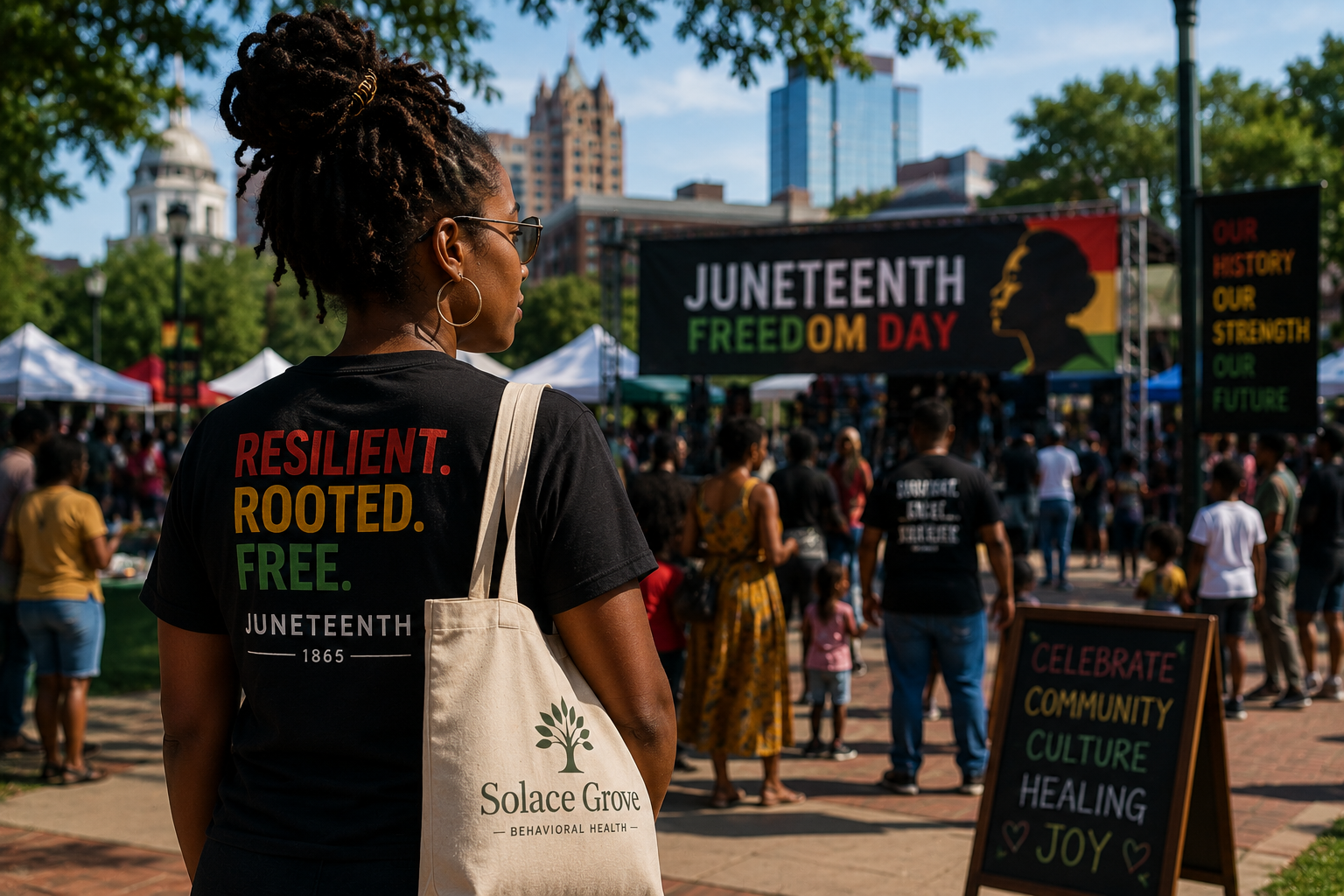
Juneteenth is a time to honor freedom, resilience, culture, community, and the continued pursuit of healing and equality. While Juneteenth commemorates an important moment in American history, it also creates space for reflection on emotional wellness, collective healing, generational strength, and the importance of supportive communities.
At Solace Grove Behavioral Health, we recognize that emotional wellness and healing are deeply connected to community, identity, safety, and access to compassionate support.
Juneteenth Represents More Than History
Juneteenth is often celebrated through:
community gatherings
cultural events
family connection
education and reflection
honoring resilience and progress
For many individuals and families, it is also a meaningful opportunity to acknowledge the emotional impact of generational trauma, social stressors, inequality, and the importance of creating healthier futures rooted in healing and support.
Emotional Wellness and Community Healing
Community connection can play an important role in emotional wellness and healing. Feeling seen, supported, respected, and connected to safe spaces can positively affect mental health and emotional well-being over time.
Supportive communities may help individuals:
feel less isolated
strengthen emotional resilience
encourage healing conversations
reduce stigma surrounding mental health
create opportunities for support and connection
promote emotional safety and wellness
Healing often becomes more possible when individuals feel supported by community and compassionate care.
You may also benefit from reading Mental Health Conversations Among Black Men: Why They Matter to explore the importance of open conversations surrounding emotional wellness and mental health support.
Rest, Reflection, and Emotional Care Matter
Juneteenth can also serve as a reminder that emotional wellness deserves ongoing care and attention. Rest, emotional support, connection, and healing are important parts of long-term well-being.
Helpful supportive practices may include:
spending time with supportive people
participating in meaningful community spaces
prioritizing emotional rest
engaging in reflection and mindfulness
creating healthier boundaries
seeking therapy or emotional support when needed
Healing is not only individual — it can also happen collectively through community, compassion, and safe spaces.
Breaking Stigma and Expanding Access to Support
Open conversations surrounding mental health and emotional wellness continue helping reduce stigma while encouraging individuals to seek support earlier and more comfortably.
Behavioral health support can help individuals:
strengthen coping strategies
process emotional stress safely
improve emotional awareness
reduce feelings of overwhelm
reconnect with balance and emotional wellness
Everyone deserves access to compassionate support and emotionally safe environments for healing.
Compassionate Behavioral Health Support in Milwaukee
At Solace Grove Behavioral Health, we provide compassionate behavioral health and emotional wellness services focused on healing, dignity, community support, and long-term well-being.
We serve individuals throughout Milwaukee and across Wisconsin through supportive in-person and telehealth services designed to create emotionally safe spaces for healing and restoration.
This Juneteenth, we honor resilience, community, healing, and the importance of emotional wellness for all.

Supporting a Loved One Through Mental Health Challenges
Supporting a loved one through mental health challenges can feel overwhelming, especially when you are unsure how to help. This article explores supportive ways to encourage emotional wellness, create safe conversations, and provide compassionate support while also recognizing the importance of caring for your own emotional well-being.
Community Wellness | Solace Grove Behavioral Health
Watching someone you care about struggle emotionally can feel overwhelming, especially when you are unsure how to help. Whether a loved one is experiencing anxiety, depression, burnout, emotional distress, substance use concerns, or other mental health challenges, support from trusted people can make a meaningful difference.
At Solace Grove Behavioral Health, we believe compassionate support, patience, and understanding can play an important role in the healing process.
You Do Not Have to Have All the Answers
Many people feel pressure to immediately “fix” a loved one’s struggles. In reality, emotional support often begins with simply being present, listening without judgment, and creating space for honest conversation.
Supportive actions may include:
Checking in consistently
Listening without immediately trying to solve the problem
Encouraging open conversation
Offering patience and emotional reassurance
Respecting boundaries and personal space
Helping reduce feelings of isolation
Encouraging professional support when appropriate
Sometimes the most meaningful support is helping someone feel less alone.
Mental Health Challenges Can Look Different for Everyone
Not everyone expresses emotional struggles in obvious ways. Some individuals may openly discuss how they feel, while others may withdraw, become irritable, appear emotionally distant, or try to hide what they are experiencing.
Signs that someone may be struggling emotionally can include:
noticeable mood changes
increased stress or anxiety
social withdrawal
emotional exhaustion
difficulty concentrating
changes in sleep or energy levels
increased overwhelm
changes in behavior or communication
Approaching loved ones with compassion instead of judgment can help create safer conversations around mental wellness.
Encouraging Support Without Pressure
It can be difficult when someone you care about is hesitant to seek help. While support and encouragement are valuable, healing often happens best when individuals feel emotionally safe rather than pressured.
Helpful approaches may include:
Normalizing conversations about mental wellness
Sharing supportive resources
Offering to help research therapy options
Reminding them that seeking help is a strength
Encouraging small steps toward support
Patience and consistency can help build trust over time.
Caring for Yourself Matters Too
Supporting someone else emotionally can sometimes feel draining, especially for caregivers, family members, or close friends. It is important to remember that your own emotional wellness also deserves care and attention.
Healthy boundaries, rest, supportive relationships, and emotional support for yourself are also important parts of maintaining balance.
You cannot pour from an empty cup.
Compassionate Behavioral Health Support in Milwaukee
At Solace Grove Behavioral Health, we provide supportive behavioral health services for individuals and families throughout Milwaukee and across Wisconsin via telehealth.
Healing is not something people should have to navigate alone. Compassionate support, safe spaces, and meaningful connection can make a lasting difference in emotional wellness and recovery.
